What Is Marital Rape?
Understanding Consent Within Marriage
A compassionate, informative guide to understanding consent within marriage, recognising signs of sexual coercion, and how professional trauma counselling helps survivors across Faridabad, Delhi, and Delhi NCR heal, reclaim their voice, and rebuild their lives.
No marriage — however deep its commitment, however sacred its vows — grants any individual unconditional ownership over their partner’s body. Every person, regardless of their marital status, retains the fundamental and inviolable right to consent freely to intimate contact. When that right is ignored, overridden by force, or eroded through fear and coercion, the result is a form of abuse that leaves profound emotional and psychological trauma. Professional trauma counselling and emotional healing support at Shweta Heals helps survivors across Faridabad, Delhi, and Delhi NCR begin the journey back to themselves.
If you are in immediate danger: Please contact the Women’s Helpline 1091, National Domestic Violence Helpline 181, or call the police at 100. For confidential counselling and emotional support, contact Shweta Heals at +91 8587998559. You are not alone, and help is available.
What Is Marital Rape?
Understanding the concept of consent within the context of marriage
Marital rape refers to any sexual act — including penetrative sex, forced oral sex, or any other form of non-consensual sexual contact — imposed upon a spouse or intimate partner without their free, willing, and informed agreement. It is one of the most prevalent, and yet one of the least discussed, forms of domestic violence and intimate partner abuse.
The concept is grounded in a fundamental truth: consent is not a one-time act given at the time of marriage. Consent must be freely given each and every time, without pressure, fear, manipulation, alcohol impairment, or any form of coercion. The existence of a marriage certificate does not — and never has — constituted permanent, irrevocable consent to sexual activity.
Understanding Consent
Genuine consent is freely given without any form of pressure, threats, or manipulation. It is reversible — meaning it can be withdrawn at any moment, even in the middle of an act. It is informed, enthusiastic, and specific — consent to one act does not mean consent to all acts. It cannot be given by someone under duress, fear, intoxication, or psychological coercion. In a healthy, respectful marriage, these principles apply to every single intimate interaction without exception.
In India, conversations about consent within marriage remain culturally complex. Deep-rooted social narratives around marital duty, family pressure, and the expectation that a spouse must always be sexually available have historically silenced survivors and prevented them from recognising their own experiences as abuse. Many individuals in Faridabad, Delhi, and Delhi NCR carry the trauma of non-consensual marital intimacy without ever having had access to the language or the support to address it.
This article does not aim to add to legal debate, but to create awareness around what every individual in a marriage deserves: respect, safety, and the right to say no — and to let those who have experienced otherwise know that professional support is available, that their pain is real and valid, and that healing is genuinely possible.
“Marriage is not a transfer of ownership. Every person — regardless of their marital vows — retains the right to their own body, their own voice, and their own safety.”Shweta Mittal — Counsellor & Founder, Shweta Heals, Faridabad
Why Marital Sexual Coercion Is Often Not Recognised
One of the most significant barriers to addressing sexual coercion within marriage is that many individuals — both those experiencing it and those around them — do not recognise it as abuse. Several factors contribute to this:
- Cultural conditioning: Deeply ingrained beliefs that a spouse’s body belongs to their partner, or that refusal of sex within marriage is inappropriate or disrespectful, prevent many from recognising coercive behaviour for what it is.
- Normalisation: When coercive behaviour has occurred throughout a marriage, it can come to feel normal or expected — making it even harder to identify as harmful.
- Fear and dependency: Economic dependency, fear of social judgment, concern for children, or fear of the spouse’s reaction prevent many survivors from speaking out or seeking help.
- Shame and self-blame: Survivors frequently internalise shame and blame themselves — a direct result of the abuse itself and the social messages that surround it.
- Lack of visible support: Without access to non-judgmental professional support, many individuals in cities like Faridabad, Badarpur, and Ballabhgarh do not know where to turn for help.
Signs of Sexual Coercion and Non-Consensual Intimacy Within Marriage
Recognising the patterns that constitute abuse within intimate partnerships
Forced Physical Intimacy
Being physically forced, restrained, or overpowered into sexual activity against your will at any time.
Threats and Emotional Coercion
Threats of emotional withdrawal, financial punishment, public humiliation, or harm to compel sexual compliance.
Persistent Pressure
Repeatedly pressuring, nagging, or guilting a spouse into sexual activity until they give in out of exhaustion or fear.
Ignoring Refusal
Continuing or initiating sexual activity after a spouse has clearly said no, turned away, or physically indicated unwillingness.
Degradation During Intimacy
Using sexual contact as a vehicle for humiliation, degradation, or deliberate physical harm rather than mutual connection.
Fear-Based Compliance
Agreeing to sexual activity purely out of fear of what your spouse will say or do if you refuse — not out of genuine willingness.
Post-Intimacy Shame and Distress
Consistently feeling shame, sadness, violation, or emotional distress after sexual interaction with a spouse.
Sexual Contact During Sleep or Incapacitation
Initiating sexual activity while the spouse is asleep, unconscious, or otherwise unable to provide informed, conscious consent.
The Emotional and Psychological Impact — Understanding the Trauma
How sexual coercion within marriage creates lasting emotional wounds
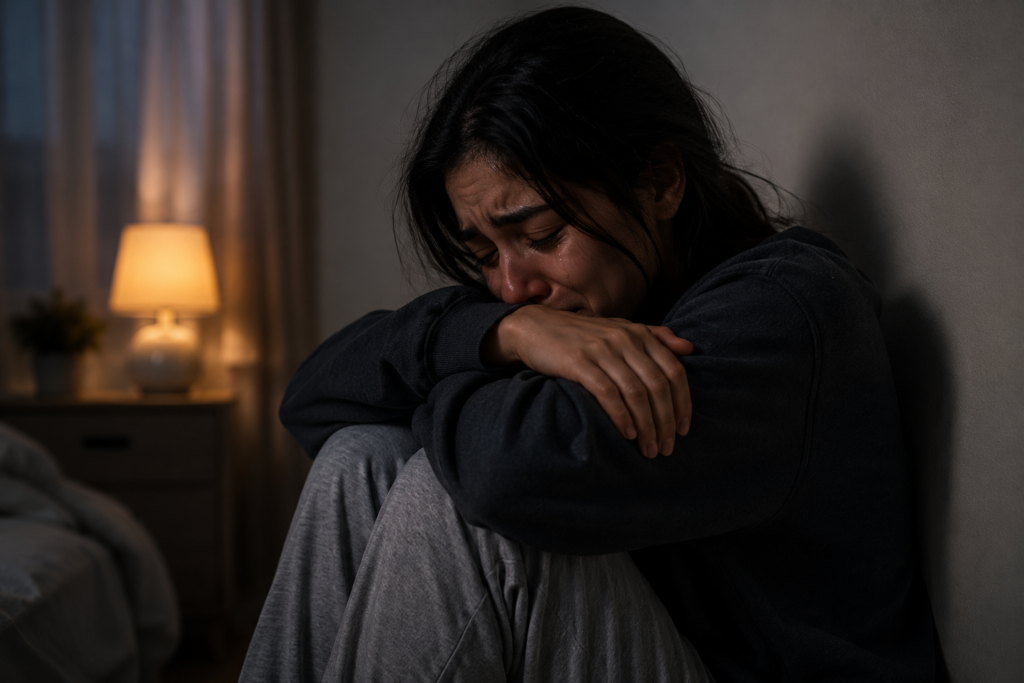
The psychological impact of sexual coercion within an intimate partnership is profound, complex, and deeply personal. Because the abuse comes from the very person who is supposed to provide safety and love, the trauma is compounded by the fundamental violation of trust and the dismantling of what a marriage is meant to represent.
For many survivors in Faridabad, Delhi, and across Delhi NCR, the effects of this trauma are carried silently — often for years — because social and family pressure makes it extremely difficult to speak openly about what is happening within the home. Understanding these emotional and psychological impacts is an important step toward recognising the need for professional support:
Post-Traumatic Stress (PTSD)
Flashbacks, nightmares, hypervigilance, and intrusive memories that make everyday life feel unsafe and unpredictable.
Chronic Anxiety
Persistent, overwhelming anxiety — particularly around intimacy, physical contact, or the presence of the spouse.
Depression and Low Mood
Persistent sadness, emotional flatness, hopelessness, withdrawal from social life, and loss of pleasure in previously enjoyed activities.
Deep Shame and Guilt
A pervasive, inaccurate sense of personal shame and self-blame — one of the most damaging consequences of intimate trauma.
Loss of Identity
Systematic erosion of the sense of self, personal agency, and the belief in one’s own right to make decisions about one’s own body.
Emotional Numbness
Dissociation, emotional shutdown, and an inability to access or express feelings — a protective response to ongoing trauma.
These effects are not weaknesses. They are deeply human responses to profoundly abnormal circumstances. Every one of them is treatable through professional therapeutic support — and every person experiencing them deserves access to that support without judgment.
How Professional Counselling Helps Survivors Heal
The transformative role of compassionate, professional therapeutic support in recovery
Healing from the trauma of sexual coercion within marriage is possible. It takes time, professional support, courage, and the right therapeutic environment — but it is entirely real. At Shweta Heals, Shweta Mittal provides a completely safe, confidential, and non-judgmental space where survivors can begin to process their experiences, understand their emotional responses, and progressively reclaim their sense of self, worth, and safety.
Creating Safety to Speak
For many survivors, professional counselling is the first space where they have ever felt genuinely safe to speak about what has happened without fear of judgment, disbelief, or being told to simply accept it. This is where healing begins.
Processing Trauma Safely
Trauma stored without professional processing can remain active for years — triggering anxiety, flashbacks, and emotional shutdown. Therapy provides structured, safe methods for processing trauma memories, reducing their emotional intensity over time.
Dismantling Shame and Self-Blame
One of the most critical elements of trauma recovery is helping individuals understand — at a deep, felt level — that what happened was not their fault. Counselling systematically addresses the shame narratives that sustain suffering.
Rebuilding Self-Worth
Sexual coercion erodes self-worth profoundly over time. Therapy helps survivors reconnect with their inherent value, reclaim their sense of personal agency, and rebuild a healthy, grounded relationship with themselves.
Reducing Anxiety and Depression
The anxiety and depression caused by intimate trauma are directly addressable through therapy. Cognitive, emotional, and practical tools help reduce symptom severity progressively — restoring the capacity for genuine daily wellbeing.
Reclaiming Personal Boundaries
Understanding and establishing healthy personal boundaries is a transformative part of trauma recovery — helping survivors move from a place of powerlessness to one of genuine, grounded personal authority.
Types of Counselling Available for Survivors in Faridabad and Delhi NCR
A personalised approach to therapeutic support based on individual needs and circumstances
Shweta Mittal at Shweta Heals tailors the therapeutic approach to each individual’s specific situation, history, and emotional needs. The following types of counselling support are available for survivors across Faridabad, Delhi, Badarpur, and Ballabhgarh — both in-person and online:
Individual Trauma-Focused Counselling
The foundation of recovery — deeply personalised one-on-one sessions focused on processing the specific traumatic experiences of each individual. This creates a private, completely confidential space to explore what happened, understand its emotional impact, and begin the structured work of healing without any external pressure or judgment. Sessions are available in-person in Faridabad and online across Delhi NCR and all of India.
Cognitive Behavioural Therapy (CBT) for Trauma
A structured, evidence-based approach that helps individuals identify and change the harmful thinking patterns that sustain anxiety, shame, and depression following trauma. CBT for trauma is particularly effective for addressing the automatic negative thoughts, self-blame narratives, and catastrophising patterns that keep survivors emotionally stuck long after the immediate experiences have ended.
Emotional Healing Therapy
An approach focused on the safe expression, processing, and release of deeply held emotional pain — including grief, rage, shame, and sorrow — that has been suppressed through the necessity of survival. Emotional healing therapy helps survivors access and work through feelings that have been locked away, creating space for genuine, progressive emotional recovery and the gradual rebuilding of inner peace.
Stress and Anxiety Counselling
Addressing the chronic anxiety, hypervigilance, and stress responses that typically develop following intimate trauma. Our dedicated stress and anxiety counselling equips individuals with practical tools for managing acute anxiety symptoms, regulating the nervous system, and progressively building a greater sense of everyday safety and emotional stability.
Relationship Counselling and Boundary Work
For individuals who choose to address relationship dynamics — or who need support in navigating the complex relational landscape around their situation — relationship counselling and boundary work helps individuals understand healthy relational dynamics, establish clear personal boundaries, and develop the tools to protect and advocate for their own emotional and physical safety. This is done always in the individual’s best interest, at their own pace and choice.
Why Professional Support Matters — Especially in Faridabad and Delhi NCR
In cities like Faridabad, Delhi, Badarpur, and Ballabhgarh, the combination of dense family networks, community judgment, and cultural expectations around marriage can make it extraordinarily difficult for survivors to speak openly about what they are experiencing. Friends and family, however well-meaning, often cannot provide the professional, unbiased, trauma-informed support that is genuinely needed.
Shweta Mittal, founder of Shweta Heals, brings over 10 years of professional counselling experience, a Gold Medalist qualification in Masters of Social Work (MSW), and a deep understanding of the social and cultural contexts that shape these experiences in Indian families. Every session is completely confidential — meaning no family member, spouse, or third party needs to be aware that you are seeking support.
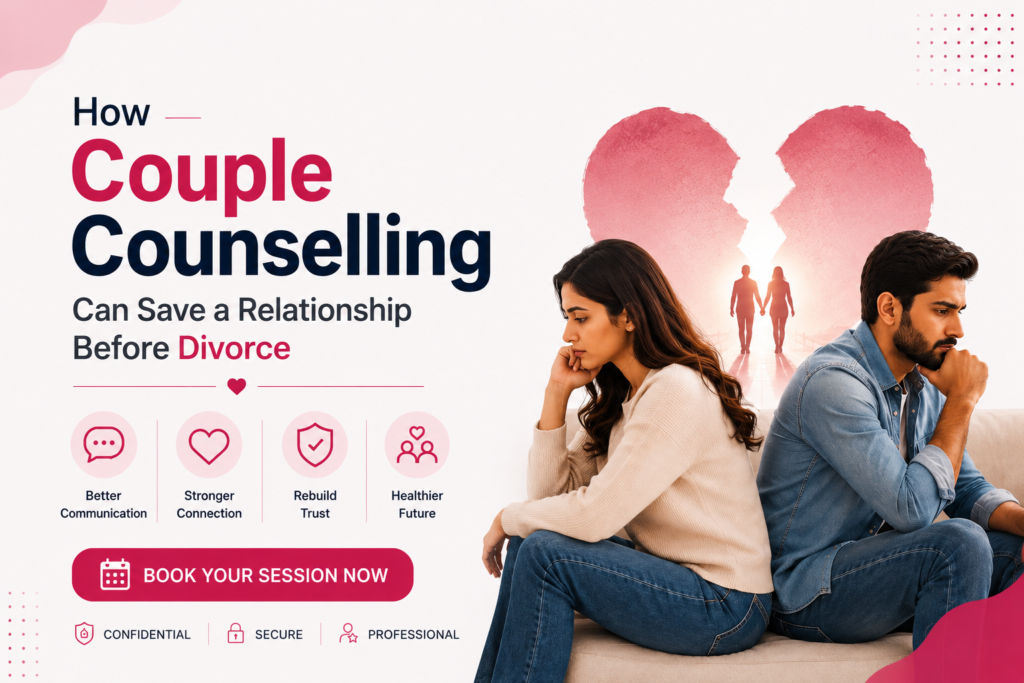
You can also read our related guides on how emotional trauma affects relationships in our blog on why trust issues destroy relationships and how therapy can help, and understand how couples can begin to heal in how couple counselling can save a relationship before divorce.
Areas Served — Faridabad, Delhi, Delhi NCR & Across India
Visit or Contact Shweta Heals
Confidential trauma counselling and emotional healing — in-person in Faridabad & online across India
Sector 12, Faridabad – 121007, Haryana
Conclusion
Marital rape and sexual coercion within marriage are forms of intimate partner abuse that cause profound and lasting emotional, psychological, and physical harm. They are not less serious because they occur within the institution of marriage — in many ways, the violation of trust inherent in intimate partner abuse makes the psychological wound deeper and more complex to heal.
Understanding consent, recognising the signs of coercion, and knowing that professional support is available are the first steps toward a different future. Whether you are seeking clarity about your own experiences, looking for support as a survivor, or trying to understand how to help someone you care about, Shweta Heals offers expert, compassionate, and completely confidential counselling — online across all of India and in-person in Faridabad, Delhi, and Delhi NCR.
You are not alone. Your pain is valid. Healing is possible. Reach out today — your first conversation with Shweta Mittal is completely free and confidential.
Related Reading from Shweta Heals
You Deserve to Heal. Help Is Here.
Confidential trauma counselling and emotional healing support — in person in Faridabad, Delhi NCR, and online across all of India. Your first conversation is free.
Frequently Asked Questions
Important questions about consent, marital sexual coercion, and healing — answered compassionately and clearly.
Marital rape refers to any sexual act forced upon a spouse or partner without their free and informed consent. It is a form of domestic violence and sexual abuse that occurs within a marriage or intimate partnership. Understanding it is important because marriage does not transfer ownership of a person’s body — every individual retains the fundamental right to consent to or decline sexual activity, regardless of their marital status.
No. Marriage is a relationship of mutual respect and partnership — it does not constitute blanket, permanent consent to sexual activity. Every individual, regardless of being married, retains the right to consent freely on each occasion. Consent must be given freely, without pressure, fear, manipulation, or coercion, and it can be withdrawn at any time.
Signs include being pressured or forced into sexual acts against one’s will, feeling afraid to refuse a spouse’s sexual demands, experiencing physical force or threats during intimacy, feeling degraded or humiliated during or after sexual activity, emotional shutdown or dissociation during intimacy, persistent anxiety or dread around physical closeness, and physical injuries or pain resulting from forced sexual activity.
Consent is a freely given, enthusiastic, and ongoing agreement to participate in sexual activity. Coercion involves pressure, manipulation, threats, emotional abuse, physical force, or persistent pestering that causes a person to agree to sexual activity against their genuine will. When agreement is obtained through any form of coercion, it is not true consent — regardless of whether the individuals are married.
The emotional and psychological effects are severe and wide-ranging, including post-traumatic stress disorder (PTSD), chronic anxiety and depression, persistent feelings of shame, guilt, and worthlessness, loss of sense of self and personal identity, difficulty trusting others, emotional numbness and dissociation, sleep disorders and nightmares, and long-term relationship difficulties. These effects require proper professional therapeutic support to heal.
Trauma from sexual coercion within marriage infiltrates every area of daily life. Survivors may experience hypervigilance, emotional flashbacks, difficulty concentrating at work or in studies, social withdrawal, physical health problems linked to chronic stress, and a pervasive sense of unsafety. In cities like Faridabad, Delhi, and Delhi NCR, where social pressures around marriage are significant, many survivors carry this trauma silently for years without seeking help.
Yes. Professional counselling is one of the most effective paths to healing from the trauma of sexual coercion within marriage. A trained counsellor like Shweta Mittal at Shweta Heals provides a completely safe, non-judgmental space for survivors to process their experiences, understand their emotional responses, rebuild their sense of self-worth, and develop practical strategies for healing and reclaiming their wellbeing.
Trauma-focused individual counselling, cognitive behavioural therapy (CBT) for trauma, emotional healing therapy, stress and anxiety counselling, and — where appropriate — couples counselling focused on consent, respect, and healthy communication. At Shweta Heals, Shweta Mittal tailors the therapeutic approach specifically to each individual’s situation, history, and emotional needs.
Trauma counselling helps survivors safely process the memories and emotions associated with their experiences, reducing the intensity of triggers and flashbacks. It helps individuals understand that what happened was not their fault, rebuild self-worth and personal boundaries, develop healthy coping strategies, and gradually reconnect with their sense of safety, identity, and capacity for healthy relationships.
Emotional healing therapy is a therapeutic approach that focuses on processing and releasing deeply held emotional pain, shame, and grief associated with traumatic experiences. Through guided sessions, individuals learn to identify and express suppressed emotions safely, challenge harmful self-beliefs, develop self-compassion, and progressively rebuild emotional resilience and psychological strength.
Yes. Shweta Heals provides completely confidential counselling sessions — both in-person at the clinic in Sector 12, Faridabad, and online for individuals across Delhi, Delhi NCR, Badarpur, Ballabhgarh, and anywhere in India. Shweta Mittal, a Gold Medalist MSW with 10+ years of professional experience, ensures that every session is held in an environment of absolute privacy, safety, and non-judgment.
You do not need to have everything figured out before you speak to a counsellor. At Shweta Heals, the first session is simply about listening — with no pressure, no judgment, and no expectations. You share only what you feel comfortable sharing, at your own pace. Shweta Mittal is trained to create the gentle, supportive conditions that make this kind of conversation feel safe and possible.
Yes. Individual counselling sessions at Shweta Heals are completely private. You do not need your spouse’s knowledge, consent, or involvement to seek individual counselling for yourself. Your sessions, what you discuss, and even your attendance are completely confidential.
Rebuilding self-worth is central to recovery from any form of intimate partner trauma. Sexual coercion within marriage systematically erodes a person’s sense of self-worth, personal agency, and right to boundaries. Counselling helps survivors reconnect with their inherent worth, recognise that they deserved better, and gradually rebuild a healthy relationship with themselves — which is the foundation of all other healing.
The duration of counselling depends on the individual’s specific experiences, the depth of trauma, and their personal healing journey. Some individuals experience significant relief within 6 to 10 sessions, while deeper healing may take longer. Shweta Mittal creates a personalised therapeutic plan after the initial session and reviews progress regularly to ensure the most effective support at every stage.
Yes. Anxiety and depression are extremely common responses to intimate trauma. Shweta Heals provides integrated therapeutic support — addressing trauma, anxiety, depression, and emotional healing simultaneously within a cohesive, personalised counselling approach. This holistic support is one of the most effective ways to achieve comprehensive and lasting recovery.
Yes. Shweta Heals offers online counselling sessions for individuals across Delhi, Delhi NCR, Faridabad, Badarpur, Ballabhgarh, and all of India. Online sessions provide the same quality of care, the same confidentiality, and the same personalised approach — with the added benefit of complete privacy from home and no travel requirement.
Listen without judgment and believe them. Avoid minimising their experience or telling them what to do. Encourage them gently to seek professional counselling support. Provide practical help where possible without pressure. Let them know that professional help is available, confidential, and that healing is genuinely possible. Refer them to Shweta Heals at shwetaheals.com or +91 8587998559 for a completely confidential and compassionate first conversation.